
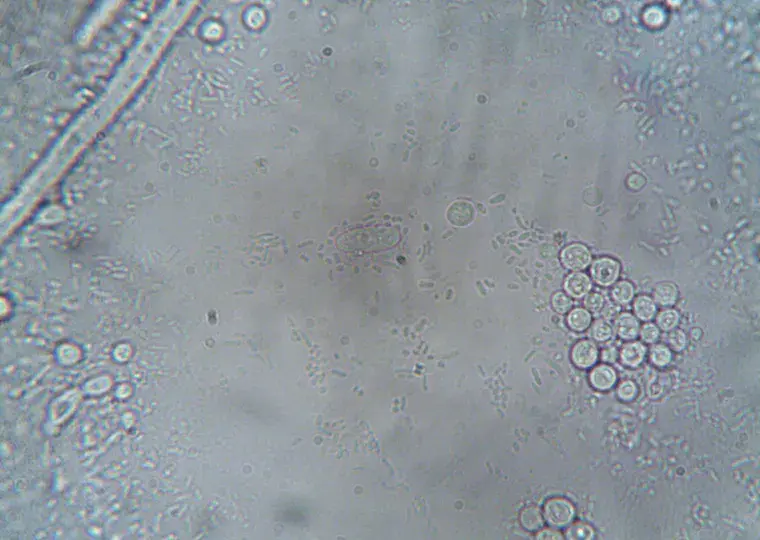
Jena, 04.06.2026 – A research team at Friedrich-Schiller-Universität Jena has achieved a significant breakthrough in infection biology. The scientists have decoded how cholera bacteria use a small RNA molecule to protect themselves against the uncontrolled multiplication of dangerous viruses that carry the pathogen’s toxin.
- Topic: Discovery of a new bacterial defense mechanism
- Research Institution: Friedrich-Schiller-Universität Jena (FSU)
- Scientific Publication: Journal “PNAS” (June 2026)
- Main Participants: Team led by study director Prof. Kai Papenfort
A Biological Trojan Horse in the Cholera Pathogen
The dangerous cholera toxin, which can cause severe vomiting and diarrhea in humans, is not originally produced by the bacterium itself. It originates from a so-called phage – a tiny virus named CTXϕ that infects the bacteria and inserts its own genes into their genetic material. The bacterium thus involuntarily becomes a producer of the deadly toxin and new viruses.
The Molecule “CisR” as a Molecular Emergency Brake
The researchers from Jena have now discovered that the cholera bacterium is not defenseless against this takeover. It possesses a small, regulatory RNA molecule named “CisR”.
As soon as the bacterium comes under stress – for example, due to nutrient deficiency or an extremely high density of bacterial neighbors – CisR becomes active. The molecule functions as a precise control mechanism and blocks the multiplication of the virus. It ensures that no new virus particles are formed, thereby curbing the spread of the cholera toxin. “Our results show for the first time that small regulatory RNAs can directly control the multiplication of a disease-relevant phage,” explains study director Kai Papenfort.
New Perspectives for Medicine
The discovery at FSU Jena sheds new light on the complex interaction between viruses and bacteria. Previously, science mostly assumed that bacteria primarily use coarse defense systems like the well-known CRISPR system to act against viruses. The delicate control via the RNA molecule CisR shows how adaptable microorganisms are. In the long term, these findings could be used to develop new, targeted antimicrobial therapies that do not require classic antibiotics.
🎭 Excellent Research in the Lichtstadt
Friedrich-Schiller-Universität Jena is one of the leading German locations in the field of microbiology and infection biology. With the resident Cluster of Excellence “Balance of the Microverse,” the university researches the interactions of microorganisms in various habitats. The current publication in the renowned journal “PNAS” once again underlines the international significance of Jena’s top-level research.
Source:
Research from Jena decodes new form of bacterial virus defense
Transparency Note: This article was automatically created, editorially reviewed, and expanded with AI support.