
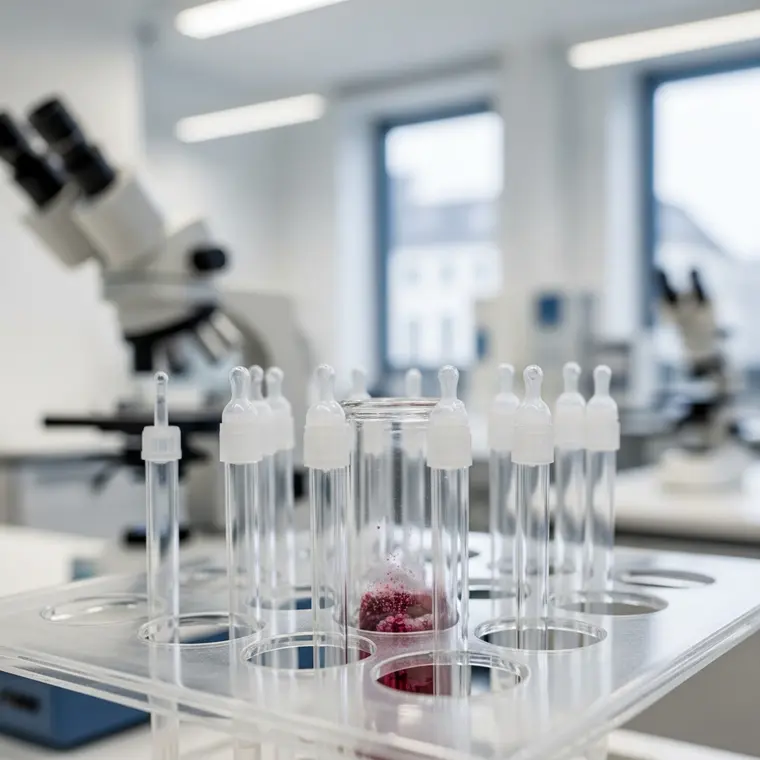
Jena, May 29, 2026 – The nationwide newborn screening has been expanded by four rare diseases to prevent severe consequential damage in infants through early treatment. Universitätsklinikum Jena (UKJ) plays a key medical role for all of Thüringen.
- What: Expansion of newborn screening from 17 to 21 congenital diseases.
- Central Center: Universitätsklinikum Jena, Am Klinikum 1, 07747 Jena (the only Thüringen treatment center for all 21 diseases).
- Frequency: Approximately 1 in 1,300 newborns is affected by one of the recorded diseases.
- Costs: The examination is free of charge and voluntary for parents.
The newly added diseases explained understandably
With the expansion of the screening, four additional rare but serious health impairments are now detected early:
- Vitamin B12 deficiency: A severe deficiency of this important vitamin can lead to permanent neurological damage, developmental delays, and anemia in infants. If detected early, it can be effectively compensated.
- Homocystinuria: A congenital metabolic disorder in which the breakdown of the amino acid methionine is blocked. Without treatment, damage to the eyes, bones, vessels, and nervous system is imminent.
- Propionic acidemia & Methylmalonic aciduria: In these two rare metabolic defects, the body cannot properly break down certain protein building blocks and fats. Untreated, this leads to dangerous acidification of the body, which can be life-threatening but is controllable through a special diet.
Information for parents: The blood collection process
For young parents, the examination process is uncomplicated and firmly anchored in the first days of the child’s life:
- The right time: Blood collection ideally takes place between the 36th and 72nd hour of the newborn’s life, usually as part of the second preventive examination (U2) in the maternity clinic or by the aftercare midwife.
- Sampling: A few drops of blood are taken from the baby’s heel. These are dripped onto a special filter paper card. The procedure is only a short prick for the child.
- The way to the laboratory: The dried blood card is immediately sent by mail to a specialized screening laboratory.
- Feedback: If the result is normal, parents are usually not contacted separately. If a suspicious finding arises, the parents as well as the maternity clinic or the pediatrician are informed immediately to initiate a follow-up examination without delay.
The UKJ as the Thüringen Competence Center
Universitätsklinikum Jena (UKJ) occupies an absolute special position in the Free State of Thüringen. As the only medical facility in the federal state, the Jena Competence Center for Newborn Screening has the specialized infrastructure and interdisciplinary specialist staff to diagnose all 21 diseases recorded in the screening without gaps and to provide therapeutic support directly on site. Through this bundling of expertise in Jena-Lobeda, fast, local care for affected families throughout Thüringen is guaranteed.
🛡️ Prevention & Guide: Why early detection saves lives
Many of the congenital metabolic and hormonal disorders examined in the screening are not externally recognizable to parents and doctors immediately after birth. The affected children appear completely healthy in the first few days. Without treatment, however, irreversible damage to organs and the brain can develop within weeks or months. Newborn screening makes it possible to start therapies (such as medication adjustments or special diets) even before the first symptoms of the disease appear. This ensures a largely normal physical and mental development for the affected children in most cases.
Source:
Newborn screening expanded
Transparency note: This article was created automatically, editorially checked, and expanded with AI support.