
Jena, April 23, 2026. In Jena, there is a new format for quality assurance in care facilities: The newly launched Hygiene Roundtable brings professionals together to develop practical solutions for everyday care.
- What: New exchange format “Hygiene Roundtable”
- Who: Professionals from Jena care facilities, hygiene officers, Network for Infection Prevention Jena
- Goal: Open exchange, practical solutions, quality assurance in care
- Frequency: Regular meetings planned for the future
Practical Exchange in Everyday Care
How can good hygiene be achieved in inpatient care facilities? To answer this central question, experts in Jena met for the first time at a newly designed Hygiene Roundtable. The format serves as an open and direct exchange between care professionals, the respective hygiene officers of the facilities, and the partners of the Network for Infection Prevention Jena. The focus is on current challenges and pragmatic approaches that can actually be effectively implemented in the often tightly scheduled daily care routine.
Focus on Safety for Residents and Staff
The goal of the initiative is clearly defined: it is about the best possible protection of the health of home residents as well as maximum safety for the working nursing staff. Through targeted learning from one another, continuous quality assurance in the city’s inpatient facilities is to be ensured. Due to the importance of the topic, it is planned to establish the roundtable as a regular meeting in the future. In this way, infection prevention topics are to be addressed exactly where they are particularly relevant in everyday life – practical and open to new ideas.
Background: Infection Protection in Inpatient Care
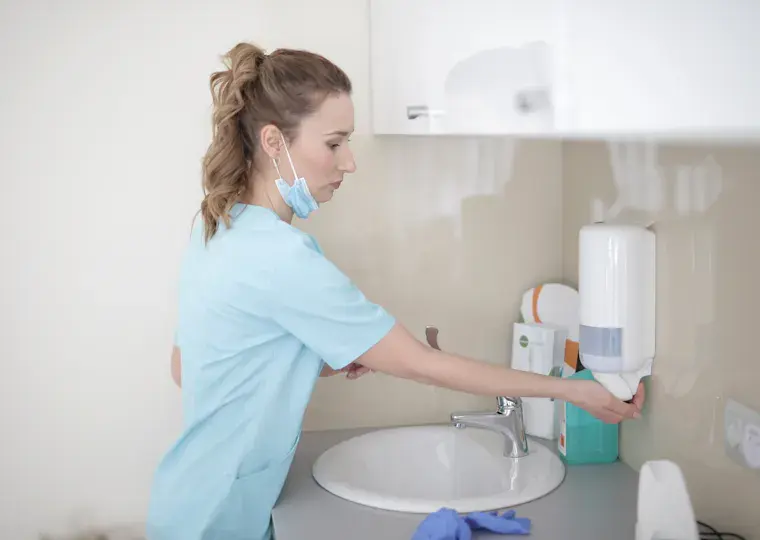
Care facilities place special demands on hygiene. Since many people live together in a relatively confined space and the immune systems of older residents are often weakened, infectious diseases such as noroviruses or influenza can spread quickly. Strict hygiene plans, professional hand disinfection, and continuous staff training are therefore essential and required by law. Municipal and regional networks for infection prevention support the facilities in successfully mastering the demanding balancing act between a cozy, human atmosphere and the mandatory clinical hygiene standards.
Source:
Together for more hygiene in care
Transparency Note: This article was automatically generated, editorially reviewed, and expanded with AI support.