
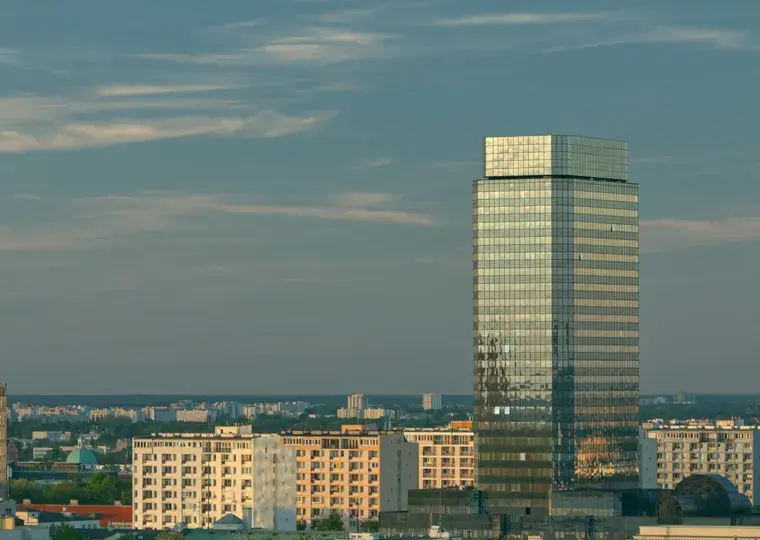
Jena, June 19, 2026. In view of declining birth rates, the city of Jena is adjusting its planning for daycare centers and schools, while commercial and research sites continue to grow. This raises the fundamental question of whether the strategic course of the city on the Saale is shifting.
- Topic: Restructuring of urban infrastructure and strategic realignment
- Sectors: Education and childcare vs. economy and science
- Location: Jena (Thüringen)
- Background: Decline in birth rates alongside the simultaneous expansion of research areas
Between the Cradle and the High-Tech Lab: Jena’s Balancing Act
For decades, Jena was considered the East German exception. While many regions in the new federal states struggled with massive population decline, the Thuringian university city recorded constant growth. New residential areas were developed, schools renovated, and every available daycare spot was urgently needed. Now, however, a clear trend reversal is emerging, visible not on the construction sites of large corporations, but in the city’s social facilities.
Due to a noticeable decline in birth rates, the city administration finds itself forced to fundamentally revise its previous capacity planning. Where just a few years ago expansion buildings and staff shortages were discussed, capacity adjustments and the reduction of childcare places are now on the agenda. For many families and residents, this step raises existential questions: Does Jena no longer expect an influx of new families in the future?
The Focus Shifts: Economic Power in the Limelight
The downsizing in the social sector is contrasted by an unbroken dynamic at the research and commercial sites. New areas are continuously being created around the city’s established innovation centers. Companies are expanding, scientific institutes are growing, and the city is intensively recruiting international specialists. This uneven development fuels public concern that the character of Jena could be creeping towards change.
The debate has shifted noticeably. While social issues such as affordable housing, modern schools, and seamless childcare were the focus of local politics in the past, terms like innovative strength, securing the location, and economic resilience dominate today. There is a fear that the former balance between a high quality of life for families and economic dynamics could tip in favor of pure economic promotion.
Adjustment to Demographics or Departure from Family Focus?
The city administration argues that the adjustments in the education sector are a rational, demographically necessary reaction to real birth rates. An oversupply of places unnecessarily burdens the municipal budget, which in turn is needed for the future viability of the entire city. Critics, on the other hand, warn of a vicious cycle: if the social infrastructure is dismantled, Jena also loses its attractiveness for those specialists with children who are so urgently sought after for the local economy.
Whether the city administration is actually shifting its course permanently cannot yet be conclusively assessed. What is certain, however, is that the coming years will show how Jena intends to master the balancing act between securing its position as a leading high-tech location in the East and maintaining its social quality of life.
🎭 Culture & City Life: The Reputation as the City of Light in Transition
Jena has earned a reputation as a highly attractive „City of Light“ through the close integration of science, industry, and quality of life. Institutions such as the Friedrich-Schiller-Universität and traditional companies like Carl Zeiss or Jenoptik shape not only economic but also social life. The influx of young people from all over the world has always been the engine of this development. A sustainable reduction of social structures in the education sector could therefore also have long-term effects on the city’s attractiveness for young scientific and academic talent.
Source:
Jena is restructuring – but no longer for growth? – Cool’is in the East
Transparency Note: This article was automatically generated, editorially reviewed, and expanded with AI support.