
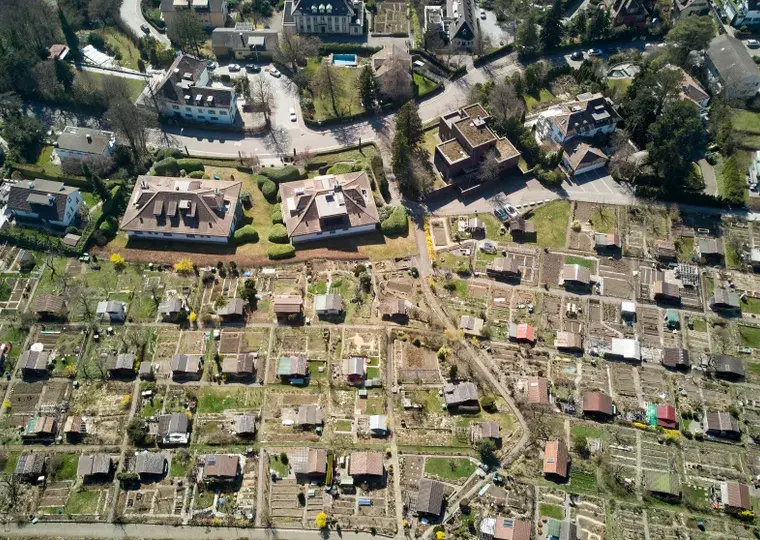
Jena, July 18, 2026. As part of urban growth, the city of Jena is planning a comprehensive realignment of its land use. The current draft of the land use plan (Flächennutzungsplan – FNP) proposes to open up areas previously used as green spaces or for allotment gardens for residential and commercial purposes in the future. This has triggered a debate in the city regarding the priorities of urban development.
- Topic: Land use plan (FNP) of the city of Jena
- Points of conflict: Conversion of allotment gardens into commercial and residential areas (including in Löbstedt, Schweizerhöhe, Mädertal)
- City arguments: Need for housing, infrastructure, and commercial space
- Citizen arguments: Preservation of recreational space, nature, and social neighborhood
- Status: Following the city council’s decision, the plan is currently with the Thüringer Landesverwaltungsamt for approval
Background: Urban development vs. preservation of existing structures
The city administration argues that the previous plan from 2006 is no longer sufficient in view of Jena’s growth. New companies and a steady influx of residents require the expansion of housing and commercial areas. While renaturation was discussed for the Winzerla area, the current planning focuses primarily on the facilities in Löbstedt as well as areas in Schweizerhöhe and Mädertal.
Growth pressure and the social importance of allotment gardens
Allotment garden facilities in Jena serve not only for leisure activities but also fulfill an important climatic and social function within the urban area. Many facilities have grown over decades and offer local biodiversity that could be lost if the land is sealed. The conflict illustrates the difficult balancing act that a growing city like Jena must perform between economic necessity and the preservation of green quality of life.
Criticism of communication and participation
Tenants and local district representatives, such as the district mayor of Löbstedt, Claudia Sippach, criticize the lack of communication on the part of the city administration. They complain about the lack of site visits and direct exchange with those affected, who view their gardens as an essential retreat. The Green Party city council faction emphasized that it had only agreed to the plan on the condition that qualitative ecological compensation measures are implemented for the areas in question.
The further procedure now depends on the decision of the Thüringer Landesverwaltungsamt. Even after a possible approval of the plan, construction is not immediately finalized; every concrete project is subsequently subject to further development plan procedures with corresponding participation opportunities for residents.
Source:
Dispute over Jena’s land use plan – Allotment gardens to become building land
Transparency note: This article was created automatically, editorially reviewed, and expanded with AI support.