
Jena, June 10, 2026 – A current report highlights the significant need for Thuringian cities to catch up on heat protection. Especially Jena, due to its special geographic location, faces the urgent task of taking effective measures against summer overheating.
- Topic: Deficits in heat protection in Thüringen and Jena
- Geographic Feature: Jena’s basin location promotes extreme heat islands
- Key Areas of Action: Unsealing, greening, expansion of drinking fountains
- Target Group: Local politics, urban planning, and health-vulnerable citizens
Geographic Hotspot: Why Jena’s Basin Location Traps Heat
Jena is scenically attractive, but its location in the deeply cut Saaletal brings significant climatic disadvantages in summer. The surrounding Muschelkalkhänge act as barriers that block air exchange. Warm air masses accumulate in the urban area, leading to the creation of so-called Urban Heat Islands. Particularly densely built-up areas such as the city center or parts of Neulobeda heat up significantly during the day and hardly cool down during tropical nights. This represents an increasing burden on the population, especially for the elderly, children, and the chronically ill.
Necessary Climate Adaptation Measures in the Lichtstadt
To counteract overheating, profound urban planning adaptations are required. Experts and environmentalists are calling for the consistent implementation of measures that can noticeably relieve the urban climate. These include:
- Consistent Unsealing: Asphalted and concreted surfaces must be broken up wherever possible and converted into infiltration surfaces to promote evaporative cooling.
- Expansion of Facade and Roof Greening: Vertical gardens and green roofs act as natural air conditioning systems and reduce the radiation temperature of buildings.
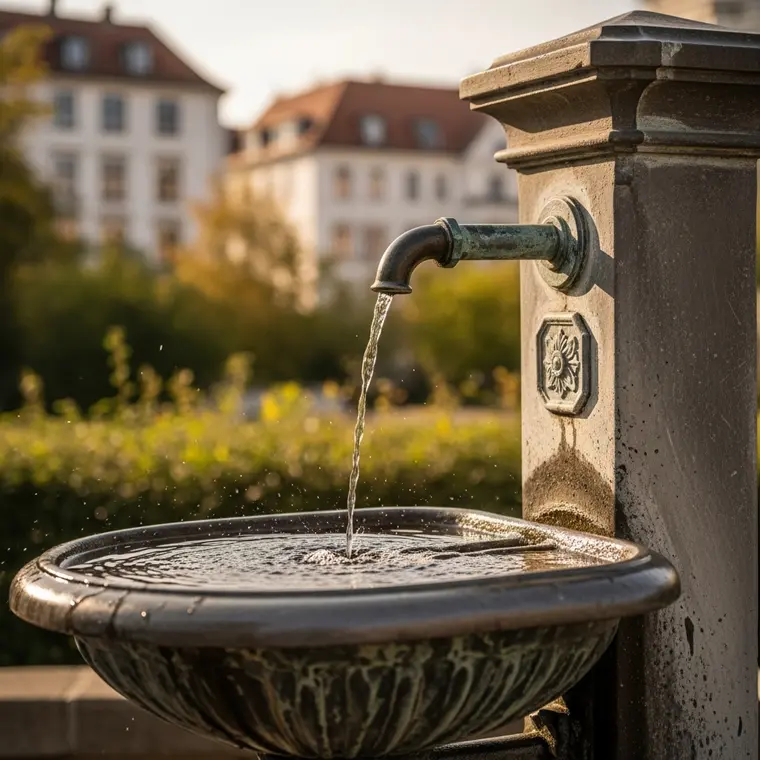
- Expansion of the Drinking Fountain Network: Free access to cool drinking water in public spaces, especially at high-traffic locations such as the Holzmarkt or in the Paradiespark, protects against dehydration.
- Preservation and Expansion of Fresh Air Corridors: Construction measures on the valley flanks must be regulated so that the nightly supply of cold air from the side valleys is not blocked.
- Creation of Shaded Refuges: Installation of sun sails and increased planting of shade-providing trees in the city center.
Thuringia-wide Need to Catch Up and Legal Framework
The current report underlines that Jena is not alone with these challenges. Many Thuringian municipalities are lagging behind in the creation and implementation of heat action plans. While major cities in other federal states have already established coordinated heat warning systems and cooling infrastructures, there is a systemic need to catch up in the Freistaat Thüringen. Legal requirements for mandatory heat planning and preventive health protection must be backed up more quickly with concrete budget funds at the municipal level.
🛡️ Prevention & Advice: Behavior During Extreme Heat
To effectively protect yourself from health damage on hot summer days in Jena, health experts recommend the following rules of conduct:
- Increase Fluid Intake: Drink at least 1.5 to 2 liters of water, unsweetened teas, or diluted juices per day – do not wait until you feel thirsty.
- Keep the Heat Out: Ventilate living spaces only during the cool night and early morning hours. Keep windows closed and darkened during the day.
- Adjust Activities: Move physically demanding work and sports to the cooler morning or evening hours. Many shaded spots in the Paradiespark also offer cooler retreats during the day.
- Keep an Eye on Vulnerable Fellow Citizens: Pay attention to elderly neighbors or people living alone, as the sense of thirst decreases with age and heat can put a massive strain on the cardiovascular system.
Source:
Thuringian cities with a need to catch up on heat protection
Transparency Note: This article was created automatically, editorially reviewed, and expanded with AI support.