
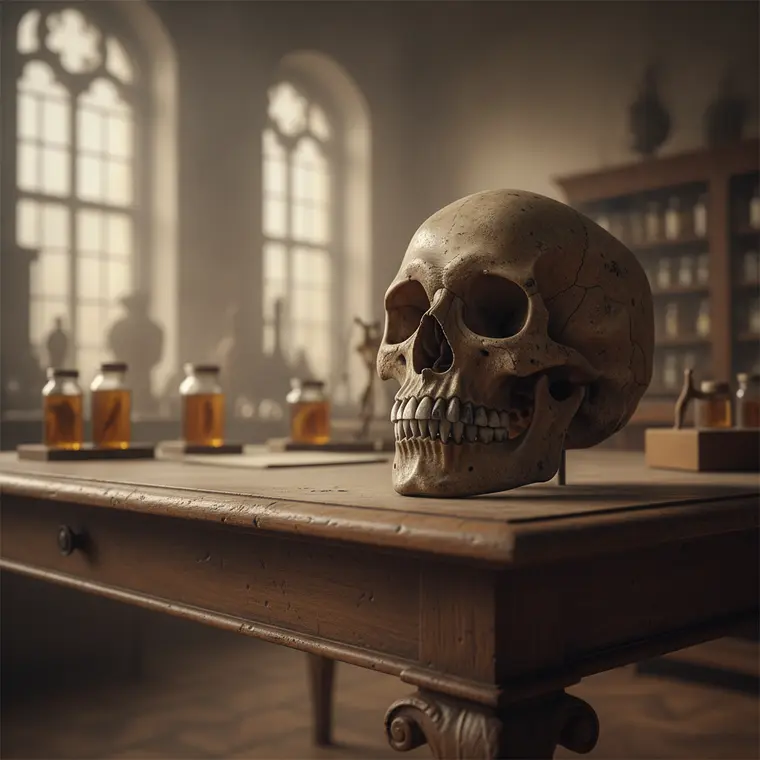
Jena, 04.07.2026 – The Institute of Anatomy at the Friedrich-Schiller-Universität Jena invites visitors today and on regular dates to view the over 200-year-old Anatomical Collection. The permanent exhibition offers fascinating insights into the human body and displays significant historical exhibits.
- What: Permanent exhibition of the Anatomical Collection
- Where: Institute of Anatomy at the FSU Jena, Teichgraben 7, 07743 Jena
- When: Saturdays from 10:00 AM to 1:00 PM and Wednesdays from 2:00 PM to 5:00 PM
- Notes: Respectful behavior is mandatory; children under 12 years only when accompanied by an adult
Scientific and cultural highlight
The exhibition combines medical education with Thuringian cultural history. Artistic preparations and models vividly convey the anatomical foundations of the human body. A special highlight are the original intermaxillary bone preparations by Johann Wolfgang von Goethe, which document his scientific research in Jena and underscore the scientific significance of the collection.
Important information for visiting the exhibition
As the exhibition displays real human specimens, respectful conduct toward the exhibits is strictly required. For young visitors, a clear policy applies: children up to and including 12 years of age are only admitted when accompanied by an adult supervisor.
Those interested in physical phenomena in addition to biological topics will find another highlight in Jena with the interactive exhibition at the Jenaer EnergieLabor.
🏛️ History & Significance of the Collection
The Anatomical Collection of the University of Jena is one of the most traditional medical teaching collections in Germany. Its origins date back to the late 18th century, an era when Jena was a center of scientific research. Goethe’s discovery of the human intermaxillary bone in 1784, which he substantiated using Jena specimens, is considered a milestone in comparative anatomy and permanently linked the collection to German scientific history.
Source:
Anatomical Collection Jena – Permanent Exhibition
Transparency note: This article was created automatically, editorially reviewed, and expanded with AI support.