
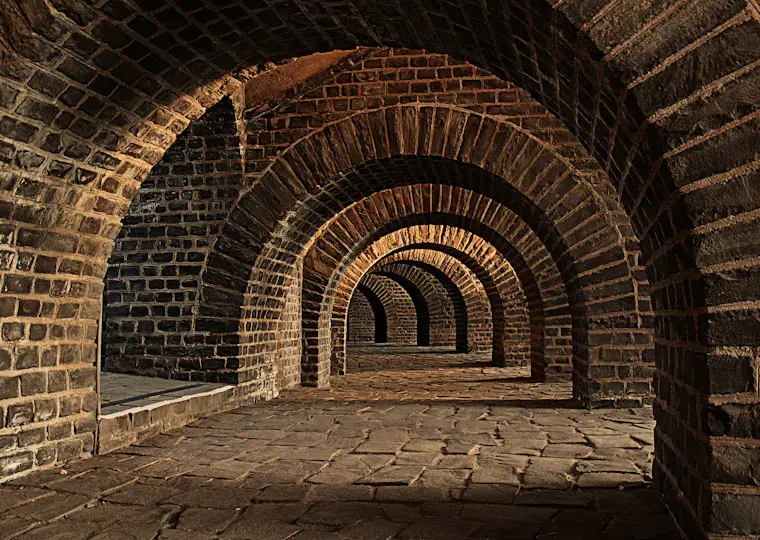
Jena, May 01, 2026. The legendary student club „Rosenkeller“ celebrates its 60th anniversary this year. Since 1966, the meeting place in the historic vaults has shaped the nightlife of the university city, combining student tradition with modern concepts.
- What: 60th anniversary of the student club Rosenkeller
- Founding year: 1966
- Location: Rosenkeller, Jena
- Special feature: One of the first self-managed student clubs in the GDR
A Piece of Jena Subculture in the Historic Vaults
For six decades now, the club, often affectionately called „Rosi“ by generations of students, has been a permanent institution in Jena. In the extensive, historic cellar vaults beneath the city center, one of the first self-managed student clubs of the former GDR was established in 1966. What began in the 1960s as a bold cultural project after several hundred years of inactivity in the old vaults has developed over the decades into a central anchor point of Thuringian nightlife.
Volunteering and Constant Change
The special thing about the Rosenkeller has always been its organizational structure. To this day, the club is significantly supported by the tireless voluntary commitment of its association members. This fundamental principle of self-management allows the venue to continuously change and adapt to new musical and social trends without losing its historical roots. On its 60th birthday, the club impressively demonstrates how decades of tradition can be harmoniously combined with new ideas and ambitious future plans.
For countless Jena residents and former students, the vault has always remained much more than just a place for nightly parties – it is a space for alternative subculture, handmade live concerts, and a living piece of home in the university city.
Jena is a classic student city with the Friedrich-Schiller-Universität and the Ernst-Abbe-Hochschule, where students make up about a quarter of the total population. This demographic structure significantly shapes the cultural offerings of the city on the Saale. Historic vaulted cellars have a long tradition in the center of Jena – many buildings rest on old cellar systems, some of which date back to the Middle Ages and were originally used for storing wine and beer.
The founding of self-managed clubs was a special privilege during the GDR era. It often required diplomatic skill towards the FDJ and state authorities to create spaces for alternative culture and international music. Today, established institutions like the Rosenkeller are an indispensable part of Jena’s urban identity. They serve not only for cultural entertainment but are important social hubs for new generations of students.
Source:
Rosenkeller Jena: Six Decades Between Tradition and New Beginnings
Transparency Note: This article was created automatically, editorially reviewed, and expanded with AI support.