
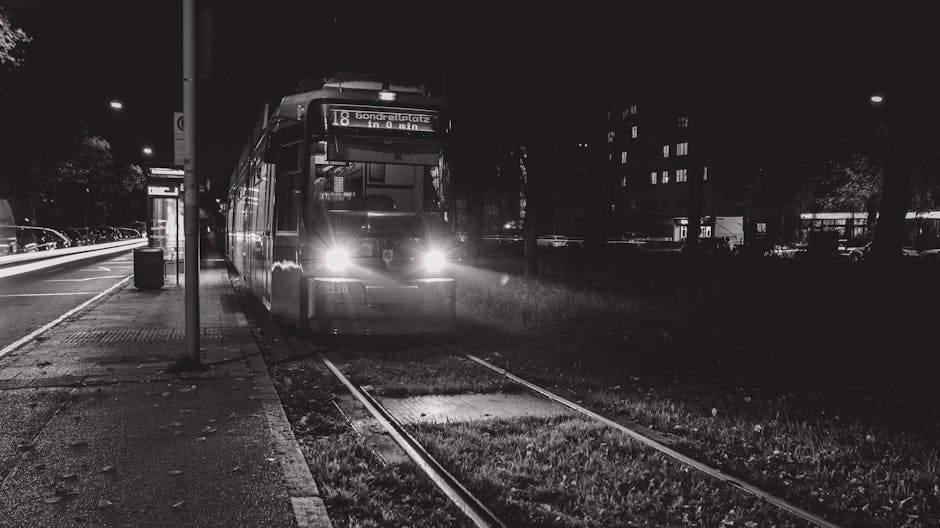
Jena, February 27, 2026. The nightly track construction work planned for next Monday in Jena’s Oberaue has been canceled. The reason is a lack of material deliveries, meaning trams will continue to operate according to the regular schedule for the time being.
- Event: Postponement of nightly track construction work
- Location: Oberaue, Jena
- Original start of construction: Monday, March 2, 2026
- Reason: Delivery delay for railway sleepers
- Consequences: Regular tram service also at night
Waiting for Urgently Needed Sleepers
Jenaer Nahverkehr has to cancel the planned maintenance of the outbound tram tracks in the Oberaue area at short notice. The nightly construction work was originally scheduled to begin this coming Monday. As has become known, however, there are delivery delays for the sleepers mandatory for the track construction.
A new date for the construction work has not yet been determined. Passengers of public transport will benefit from this delay for the time being: as the construction site is idle, trams can continue to run on their regular routes through the Jena city area at night next week. Diversions or rail replacement services in the late evening and night hours are therefore canceled until further notice.
Background: The Tram Route through the Oberaue
The route through the Oberaue in direct proximity to the Saale is one of the most important traffic axes in the Jena local transport network. It connects the city center with the populous southern districts such as Lobeda and Winzerla. Maintenance work on this critical route is often specifically scheduled for the lower-traffic night hours to avoid disrupting the dense daytime service – especially for commuters and students. Special sleepers are used when replacing tracks. These components not only ensure the exact gauge and stability of the rails but also significantly dampen the driving noise of the heavy trams, which is particularly important in urban and nature-adjacent areas.
Source:
Track construction in the Oberaue postponed
Transparency note: This article was created automatically, editorially reviewed, and expanded with AI support.