
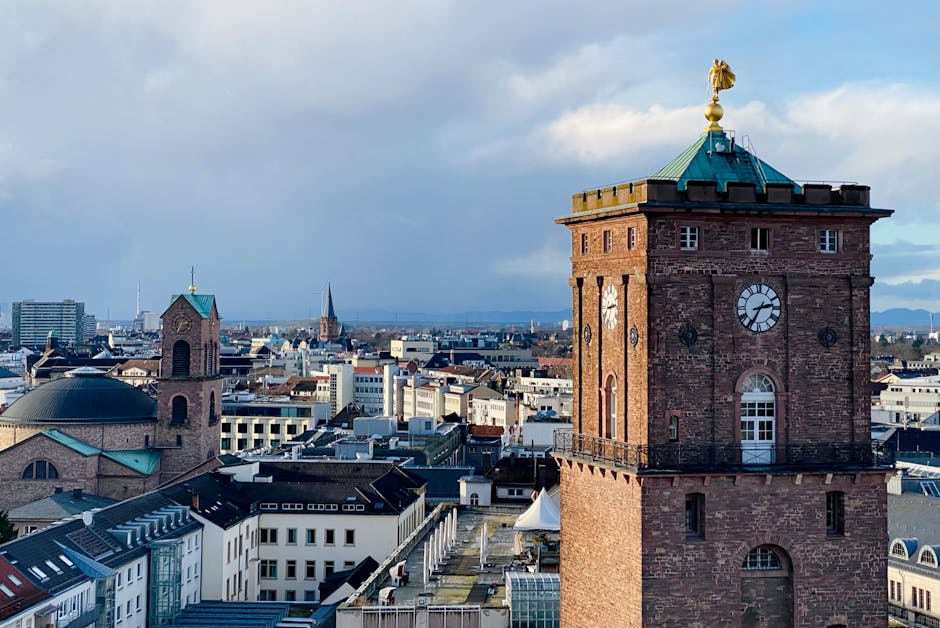
Jena, March 14, 2026 – A look back at September 1900 shows the Marktplatz in front of the historical Rathaus in Jena as the pulsating center of the emerging city. A historical review documents how much the Herbstmarkt shaped urban life, trade, and the meeting of citizens at that time.
- Location: Historical Marktplatz in front of the Rathaus, Jena
- Period: September 1900
- Trade goods: Apples, cabbage, turnips, root vegetables, eggs, butter, and fresh bread
- Special feature: The hourly spectacle of the mechanical figure „Schnapphans“ at the Rathausturm
Lively Activity on the Cobblestones
On clear autumn mornings in 1900, the Jenaer Marktplatz was a place of bustle. Farmers from the surrounding villages steered their heavy, horse-drawn wooden carts over the cobblestones to unload their harvest. The stalls bent under the weight of agricultural products: Freshly harvested apples from regional orchards, heads of cabbage, root vegetables, as well as basic foodstuffs such as eggs, butter, and still-warm bread defined the offerings and the scent on the square.
The traders touted their wares loudly, while buyers checked the quality of the autumn harvest and haggled over prices. For the rapidly growing city population, this market was not a mere tradition, but an essential necessity. Many families were strictly dependent on purchasing fresh and affordable food for their daily needs here.
More Than Just Trade: The Market as a Social Hub
At the turn of the century, the weekly market served more than just basic supply. It was the central meeting point for farmers, craftsmen, traders, and citizens. Between the market stalls, people exchanged news while children ran through the alleys between the carts. It was a place of encounter and brief respites in the hardworking daily routine.
Under the Eyes of the Schnapphans
The historical Rathaus with its striking tower towered over the entire market activity. The gazes of the market visitors regularly turned upwards: At the top of the hour, the „Schnapphans“ offered his usual mechanical spectacle. The figure, snapping at a golden ball, captured the attention of people then as it does today, linking the busy activity on the square with a piece of urban identity.
The year 1900 fell into a phase of massive expansion for Jena. Driven by the boom of the optical and precision engineering industry around Carl Zeiss, Ernst Abbe, and Otto Schott, the city’s population grew rapidly. This development made functioning supply structures like the central weekly market indispensable.
The „Schnapphans“ mentioned in the article (actually Hans von Jena) is a landmark of the city and belongs to the so-called „Seven Wonders of Jena“. The original wooden figure dates from the late 15th century. According to legend, the city of Jena is threatened with downfall should the Schnapphans ever manage to catch the golden ball. Today, the original is located in the Stadtmuseum, while a copy on the Rathaus continues the traditional hourly spectacle.
Transparency Note: This article was created automatically, editorially reviewed, and expanded with AI support.