
Jena, March 6, 2026. On the occasion of International Energy Saving Day, Caritas is drawing attention to its proven energy-saving check. The project helps people with low incomes in Jena and the surrounding area to effectively reduce their energy costs through individual on-site consultations and free immediate aid.
- What: Free energy-saving check by Caritas
- For whom: Recipients of Bürgergeld, Wohngeld, or households with a low pension
- Process: Two home visits (consumption analysis & handover of aids)
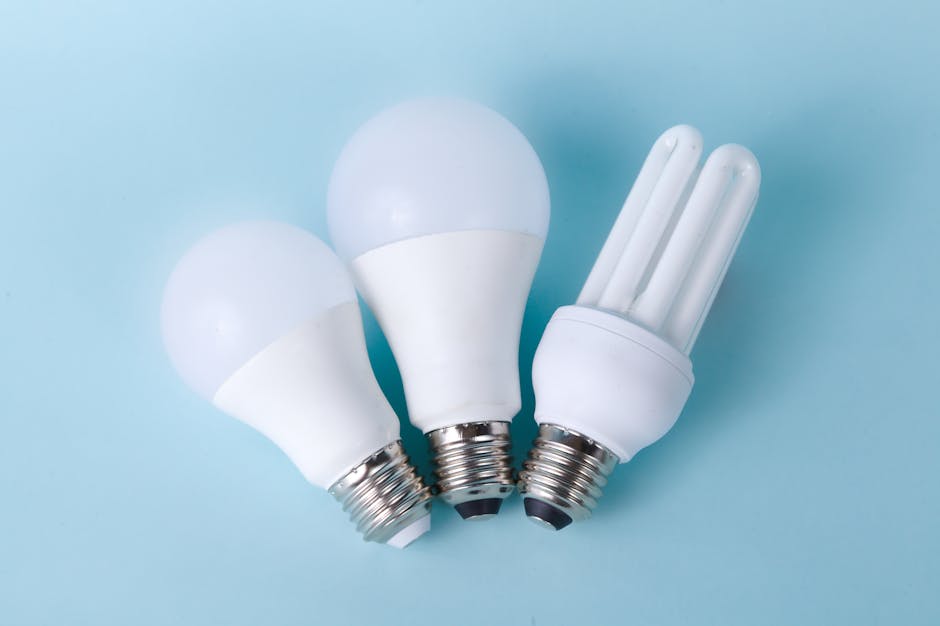
- Immediate aid: including LED lamps, switchable power strips, water-saving shower heads
- Further information: www.stromspar-check.de
Free consultation directly at home
The energy-saving check is a pragmatic approach to helping directly at the base. During an initial appointment, specially trained teams visit the households. On-site, they check individual energy consumption – from the power requirements of lighting to the efficiency of cooling devices and hot water preparation.
In a second appointment, participants receive not only a detailed evaluation of their consumption but also tailored energy-saving aids. These are provided completely free of charge as part of the project. These include modern LED lamps, power strips to avoid standby power, and water-saving shower heads, which additionally reduce energy costs for hot water preparation.
Results from 14 years: 117 euros in savings per household
The project’s track record in Jena is impressive: According to Caritas, 2,783 households in the region have already been reached over the past 14 years. A total of more than 33,000 immediate aids were installed. Through these uncomplicated measures, participating households save an average of around 117 euros per year – money that is often urgently needed elsewhere given the persistently high cost of living.
Background: Energy costs as a burden
Especially in university cities like Jena, where housing and utility costs make up an above-average portion of the monthly budget, high electricity and heating costs are a massive financial burden for low-income earners. Often, the means are lacking to replace old, inefficient household appliances with economical new models. General tips that are easy to implement in everyday life, such as regularly defrosting the freezer, consistently switching off standby devices, or using lids when cooking, can already noticeably reduce consumption. Consultation offers such as those from Caritas or the Verbraucherzentrale Thüringen start exactly here and combine systematic education with practical, immediately effective help in one’s own household.
Source:
Tag des Energiesparens – Caritas informiert über Stromspar-Check
Transparency note: This article was created automatically, editorially reviewed, and expanded with AI support.