
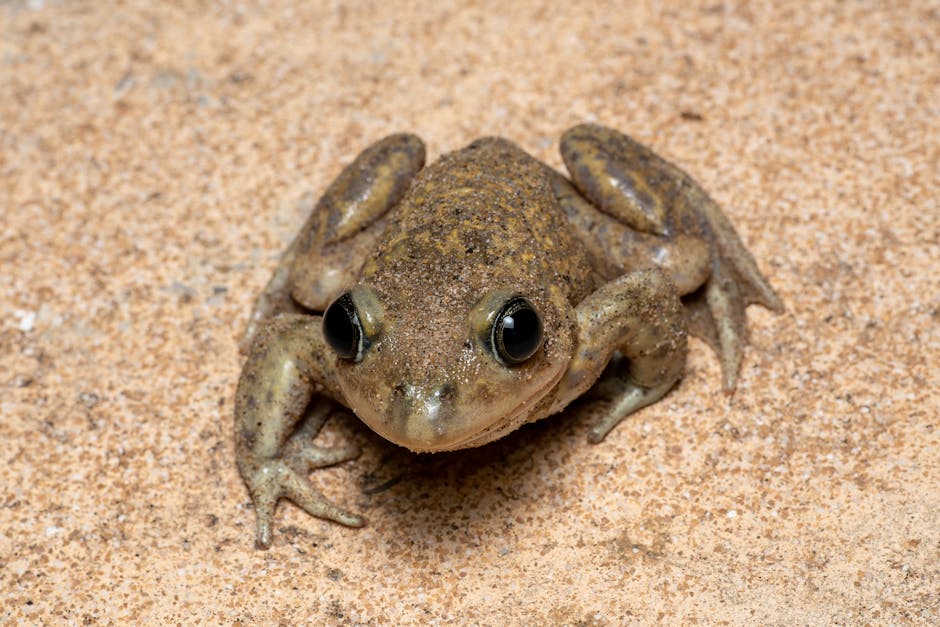
Jena/Thüringen, March 05, 2026 – With rising temperatures, nature is waking up from hibernation: the annual amphibian migration has begun in Thüringen. The first newts, common toads, and grass frogs have already been collected at protective fences and carried safely across roads. NABU Thüringen is now calling on drivers to be increasingly vigilant.
- Event: Start of the annual amphibian migration in Thüringen
- Conditions: Damp weather, temperatures from approx. 6 degrees Celsius, mostly at dusk
- Behavioral tip: Drive at a maximum of 30 km/h on known migration routes
- Protection focus: Toads, frogs, newts, and volunteer helpers at the roadside
Danger to Life from Vehicle Air Pressure
The animals set off for their spawning waters, especially in damp weather and evening temperatures from around six degrees. In doing so, they often have to cross roads, which becomes a deadly trap for countless amphibians. The Nature and Biodiversity Conservation Union (NABU) therefore urgently recommends reducing speed to around 30 kilometers per hour on known migration routes. An often underestimated danger: even if the animals do not end up directly under the wheels, the strong air pressure of passing vehicles alone can be fatal for frogs and toads.
Protection for Animals and Helpers at Dusk
To save the populations, numerous volunteers are back in action during these weeks. They check the installed amphibian fences in the early evening and morning hours and carry the animals safely across the roadway. NABU appeals to all road users to drive with particular consideration, especially at dusk, so as not to endanger the lives of the dedicated conservationists at the roadside.
Background Knowledge: Why Amphibians Migrate
Every year in early spring, amphibians leave their safe winter quarters in forests, hedges, and burrows. Their destination is the waters in which they often grew up themselves, in order to spawn there. This migration is essential for the preservation of populations, as the habitats for hibernation and reproduction are usually spatially separated. Along danger spots on roads, municipalities and conservation associations therefore set up special guidance barriers (amphibian fences) that direct the animals into buried buckets, from which they can then be safely transferred.
Source:
Amphibian migration – NABU asks drivers for consideration
Transparency Note: This article was created automatically, editorially checked, and expanded with AI support.