
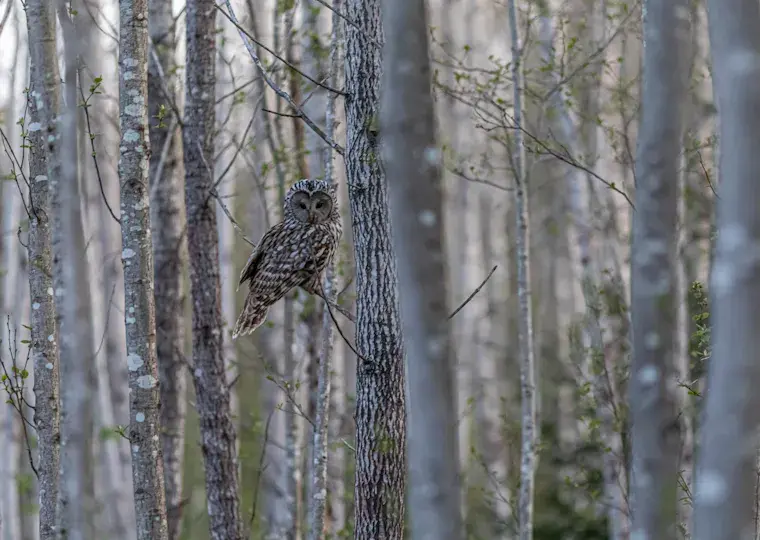
Jena, March 19, 2026. Researchers from Jena have investigated local birdlife using a new acoustic method. The results show: The diversity of bird communities around the Saalestadt is significantly shaped by various forest types throughout the year.
- Research Project: Year-round observation of regional bird communities.
- Method: Use of „AudioMoth“ sound recording devices on trees.
- Key Finding: Different forest types significantly increase species diversity.
- Location: Forest areas around Jena.
From Spring Snapshot to Year-Round Monitoring
Until now, ornithologists have mostly relied on proven but time-limited methods for recording bird populations: in the early morning hours of spring, experts set out to document the animals based on their song and sightings. As researcher Esther F. and her team emphasize, however, this approach primarily provides a limited insight into the period of brood care.
To obtain a complete picture, the Jena scientists are now relying on modern technology. So-called „AudioMoth“ recorders were installed on trees, such as beeches. These compact sound recording devices record acoustic activity in the forest throughout the entire year. This makes it possible to precisely track how bird communities change and adapt over the course of the year.
Diverse Forests Secure Biodiversity
The evaluation of the acoustic data provided clear confirmation of the importance of structurally rich habitats: the more diverse the forest types in a region, the more different bird species settle there. The year-round influence of the specific habitat on the bird world underscores how essential the preservation of mixed and near-natural forest areas is.
Background: The Forests Around Jena
The landscape around the Saalestadt, with its striking Muschelkalk slopes such as the Kernberge or the Jenzig, offers ideal conditions for diverse forest types. From sparse, dry pine stands on the sunny peaks to shady, damper beech forests in the valleys – this landscape diversity makes Jena a hotspot for regional biodiversity research. Nature conservation experts regularly emphasize that mixed forests are significantly more resistant to climatic changes and provide the most reliable retreat for local fauna.
Source:
New counting method: Bird community shaped by forest types year-round
Transparency Note: This article was automatically generated, editorially reviewed, and expanded with AI support.